

Published by American Structural Pest Control West | Serving the South Bay, CA
Before we get into the details of this article there is something important to say upfront: termite and wood destroying organism work is not something American Structural Pest Control West performs. We are a Branch 2 general pest control company and termite treatment falls under a separate license category that we do not hold. This also applies to wood destroying ants, which are another category of pest that requires specialized licensing beyond our scope.
We're writing this article anyway because termites are genuinely common in the South Bay, because the signs of termite activity are something every homeowner here should know and because we believe in pointing people toward the right resource rather than leaving them without answers. When our customers call us with a termite concern our answer is always the same: we refer them to Dan Shank, a specialist we trust completely and who has the expertise and licensing to handle exactly this kind of work.
This article gives you the foundational knowledge you need to recognize a potential termite situation and understand why acting quickly matters, and then we'll point you directly to Dan.
Why Termites Are a Serious South Bay Concern
Southern California's warm, mild climate is ideal for human beings and, unfortunately, equally ideal for termites. Unlike many parts of the country where cold winters suppress termite activity and slow colony growth, the South Bay provides termites with the consistent temperatures they need to remain active and expand throughout the year.
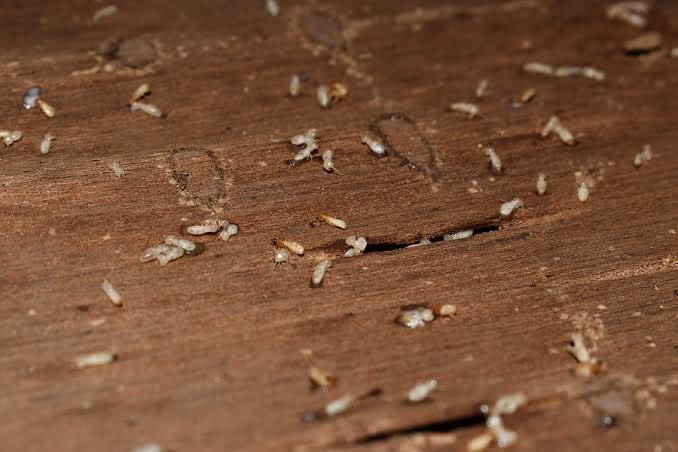
Termites are also remarkably good at staying hidden. They can feed on the structural wood of a home for months or even years before any visible signs appear on the surface. By the time most homeowners notice something wrong, the damage has often been building for a long time. This is why knowing what to look for before obvious damage appears is so valuable.
The Two Species You're Most Likely to Encounter
Drywood termites
Drywood termites are extremely common in the South Bay and throughout coastal Southern California. As their name suggests they infest dry wood, including structural lumber, furniture, door frames and wood trim, without needing contact with soil. They establish colonies entirely within the wood they're feeding on which makes them harder to detect and treat than their subterranean counterparts.
One of the most recognizable signs of drywood termites is frass, which is the term for termite droppings. Drywood termites push their droppings out of small holes in the wood, creating tiny piles of what looks like fine sawdust or coffee grounds near infested areas. If you've found small pellet-like piles near baseboards, window frames or furniture, frass is one of the first things worth investigating.
Subterranean termites
Subterranean termites live in the soil and travel up into structures through mud tubes they construct along foundation walls, pipes and other surfaces. These mud tubes are one of their most distinctive calling cards, pencil-width tunnels of mud running along exterior foundation walls or interior surfaces that protect the termites as they travel between the soil and their food source.
Subterranean termites are considered the more destructive of the two species in most cases because their colonies can be significantly larger and their feeding damage can be more extensive. Finding mud tubes on or near the foundation of your home is a serious sign that warrants immediate professional attention.
Common Signs of Termite Activity
Knowing what to look for can help you catch a termite situation earlier rather than later. Here are the most common signs South Bay homeowners should watch for.
Frass or sawdust-like droppings near wood surfaces, door frames, window sills or baseboards are one of the clearest signs of drywood termite activity. Mud tubes along foundation walls, crawl space walls or anywhere soil meets the structure point toward subterranean termites. Wood that sounds hollow when tapped, particularly in areas you'd expect solid lumber, is a sign that feeding may have occurred inside. Bubbling, blistering or warped paint on wood surfaces can indicate moisture from termite activity inside the wood. Swarmers, which are winged termites that emerge in large numbers at certain times of year, are a sign that an established colony nearby is sending out reproductive members to start new colonies. Finding discarded wings near windows and doors after a swarm event is also common.
None of these signs require you to be certain about what you're seeing before you make a call. If something looks like it could be termite activity the right move is always to have a professional take a look and make the determination.
Why Termite Damage Compounds Over Time
One of the most important things to understand about termites is that the damage doesn't stop while you're deciding what to do. Termite colonies are active continuously and their feeding is silent and invisible until structural integrity has already been compromised. A small colony that goes unaddressed for a year or two can cause damage that takes thousands of dollars to repair.
This is particularly relevant for South Bay homes, many of which have older construction and wood that has had decades of exposure to the conditions termites prefer. Acting quickly when there's any sign of potential termite activity is always the right call.
Who to Call: Dan Shank
When our customers contact us about termites or any wood destroying organism concern, we refer them to Dan Shank without hesitation. Dan is the owner of Dan Shank Termite and a wood destroying organism specialist with the licensing, expertise and experience to properly inspect, identify and treat termite situations that are beyond our scope at ASPCW. He also handles wood destroying ant situations, which is another category of wood destroying pest that falls outside our general pest control license.
We've built a relationship with Dan over the years because we trust his work and we trust that our customers will be in good hands when we refer them his way. He has always been generous with his time and expertise, including helping customers who weren't sure whether what they were seeing was termites at all.
Dan Shank Termite
Phone: (310) 488-0666
What ASPCW Can Help With
While termite and wood destroying organism work falls outside our license, there are areas where we do play a role in the broader picture. If a termite inspection or treatment reveals that rodents, ants or other general pests have been exploiting the same structural vulnerabilities, that's exactly where we come in. Damaged wood, moisture intrusion and structural gaps created by termite activity can all create conditions that attract and give access to the general pests we treat every day.
We also perform exclusion and repair work on structures after pest issues have been addressed, which can include sealing entry points that were identified during a termite inspection. If you're working with Dan and need general pest control service alongside or after your termite treatment, we're happy to coordinate and make sure your home is covered on both fronts.
Frequently Asked Questions
How do I know if what I'm seeing is termite damage or something else?
The most reliable way to know is to have a licensed professional look at it. Termite frass can be mistaken for sawdust from other wood damage, and mud tubes can sometimes be confused with dirt or debris. If you're seeing hollow-sounding wood, frass piles, mud tubes or swarming winged insects near your home, those are all worth a professional assessment rather than a judgment call on your own.
Does ASPCW treat termites or wood destroying ants?
No. ASPCW is a Branch 2 general pest control company and both termite treatment and wood destroying ant treatment require a separate license that we do not hold. We refer all termite and wood destroying organism calls, including wood destroying ants, to Dan Shank of Dan Shank Termite at (310) 488-0666. We're always happy to help point you in the right direction when you call.
Are termites common in the South Bay?
Yes, both drywood and subterranean termites are present throughout the South Bay and the broader Los Angeles area. Our mild climate is ideal for year-round termite activity and many South Bay homes, particularly older construction, have experienced or are at risk of termite damage. Regular professional inspections are a worthwhile investment for any homeowner in this area.
What should I do if I think I have termites?
Call Dan Shank. Don't wait, don't try to treat it yourself and don't assume it will resolve on its own. Termite damage accumulates silently and the sooner a professional assesses the situation the sooner you can understand what you're dealing with and what it will take to address it.
Think You Might Have Termites?
Give us a call and we'll point you straight to Dan Shank. And if you have general pest concerns alongside a termite situation, we're here to help with that side of things too.
American Structural Pest Control West
Phone: (310) 699-3110
Email: office@aspcwinc.com
Website: aspcw.com
Serving Torrance, Redondo Beach, Hermosa Beach, Manhattan Beach, El Segundo and throughout the South Bay.